
Protecting Zirconium Crowns Is About More Than Brushing
A premium zirconium crown result depends on precise planning, stable bite contacts, healthy gums and disciplined maintenance. The material matters. However, the way your crowns are designed, fitted and protected determines how comfortably they perform over time.
General guidance only. Your treating dentist’s instructions take priority because cementation, bite and supporting teeth differ between patients.
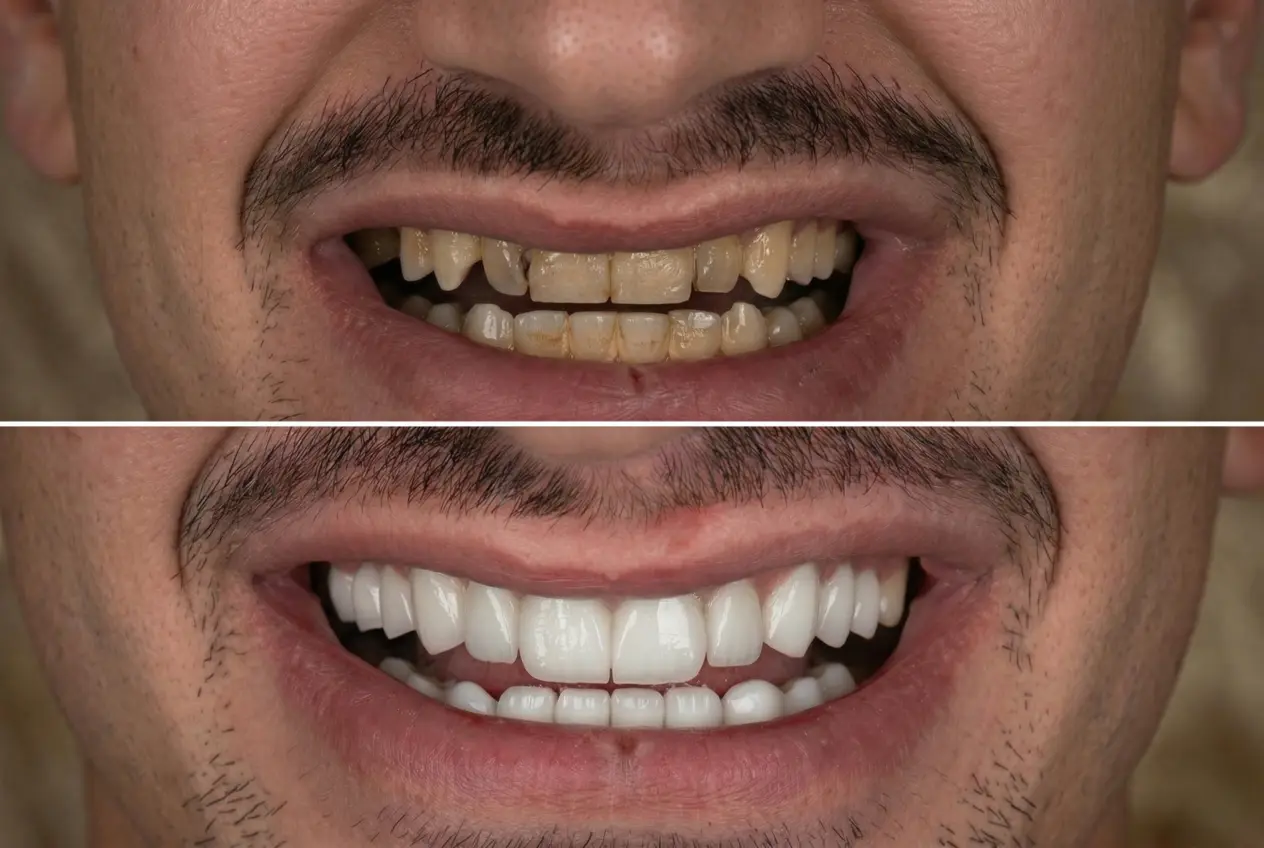
What Actually Protects Zirconium Crowns Long-Term?
Zirconia offers strong mechanical properties and excellent biocompatibility. Still, no crown works independently from the tooth beneath it. The supporting tooth, gumline, cement, contact points and opposing teeth all influence the final result.
Therefore, a premium outcome is not defined by the word “zirconium” alone. It starts with case selection and conservative preparation. Next, digital planning and laboratory precision create the fit. Finally, a stable bite and consistent maintenance protect the work after treatment.
Accurate crown margins
Well-planned margins support cleaning and reduce areas where plaque can accumulate around the crown.
Controlled bite forces
Balanced contacts prevent one crown from taking excessive pressure during chewing or grinding.
Healthy supporting tissues
The crown may be ceramic, but the tooth and gums remain biological and require continuous care.
If you are comparing treatment options, read our complete zirconium crowns Turkey guide. It explains suitability, planning, materials and the clinical decisions that should come before price.
Zirconium Crowns Aftercare During the First Days
The first days should feel controlled, not confusing. Some temporary sensitivity or awareness can occur while the teeth, gums and chewing muscles adapt. However, worsening pain, a clearly high bite or movement should not be ignored.
| Timing | What to do | Why it matters |
|---|---|---|
| While numb | Avoid chewing until normal sensation returns. Follow the specific instructions given for your cementation protocol. | This lowers the risk of biting your cheek, lip or tongue and protects the new restoration. |
| First 24–48 hours | Choose comfortable foods. Avoid ice, hard sweets and very sticky foods. Brush gently but do not stop cleaning. | Gentle use allows you to assess comfort without placing unnecessary force on the new crowns. |
| First week | Monitor the bite, gum response and sensitivity. Report any crown that contacts before the others. | An early bite adjustment is usually simpler than managing prolonged overload later. |
| After adaptation | Return to a complete daily hygiene routine and attend reviews based on your individual dental risk. | Long-term stability depends on preventing gum inflammation and decay around supporting teeth. |
The Daily Care Routine That Protects Your Investment
Zirconium crowns do not need complicated products. Instead, they need consistent technique. A sophisticated smile can still develop gum inflammation or decay at crown margins if daily cleaning becomes irregular.
- Brush twice daily. Use a soft-bristle manual or electric toothbrush and a fluoride toothpaste.
- Choose a non-abrasive toothpaste. Aggressive polishing or whitening pastes can reduce surface lustre over time.
- Clean between every tooth daily. Use floss, interdental brushes or the technique recommended for your restoration.
- Clean under bridges correctly. Super floss, threaders or suitable interdental aids may be necessary.
- Use a water flosser as an adjunct. It can support cleaning, but it does not automatically replace mechanical interdental care.
- Protect against grinding. Wear a professionally fitted night guard when the Clinical Team recommends one.
- Reduce repeated sugar exposure. The crown cannot decay, but the tooth at its margin can.
- Attend professional reviews. Your dentist should assess the margins, gums, bite and supporting teeth.
Patients who clench or grind need a more specific risk strategy. Our guide to zirconia crowns for bruxism explains why material strength alone does not remove the need for bite protection.
How Long Do Zirconium Crowns Last?
There is no honest universal expiry date. Patient guidance from Leeds Dental Institute notes that well-cared-for crowns and veneers commonly last around eight to ten years. In clinical practice, many restorations perform longer. However, longevity varies with oral hygiene, bite force, gum health, diet, smoking, the condition of the supporting tooth and the quality of the original treatment.
Most importantly, a crown does not need automatic replacement simply because it reaches a specific age. A dentist should assess its fit, function, aesthetics and supporting tooth before recommending replacement.
| Longevity factor | What can go wrong | Professional response |
|---|---|---|
| Bite imbalance | One crown absorbs excessive force and may feel tender or overloaded. | Arrange an occlusal review and adjustment when clinically indicated. |
| Plaque at margins | Gums may bleed or recede, and the supporting tooth can develop decay. | Improve cleaning technique and schedule professional hygiene care. |
| Grinding or clenching | Repeated heavy force can stress crowns, teeth, muscles and jaw joints. | Use a customised night guard when recommended and monitor wear. |
| Delayed assessment | A minor concern may progress before the cause is identified. | Report changes early and share clear photos or clinical records. |
Warning Signs You Should Not Ignore
Good aftercare includes knowing when home care is no longer enough. Contact the Clinical Team or a local dentist if you notice any of the following:
A crown hits first
Your bite feels uneven, chewing causes local pressure, or one tooth becomes tender.
Persistent or worsening pain
Sensitivity does not settle, wakes you at night, or becomes stronger instead of improving.
Movement or a loose crown
The crown rocks, clicks, lifts or changes position. Stop chewing on it and arrange a review.
Bleeding or receding gums
Ongoing inflammation may indicate plaque retention, gum disease or a margin that needs assessment.
A chip or visible fracture
Even a small surface change deserves evaluation, especially if the bite feels different.
Bad taste, swelling or fever
These symptoms can indicate infection and require prompt local dental assessment.
Seek urgent local care when necessary
Significant facial or oral swelling, uncontrolled bleeding, severe trauma, or difficulty breathing, speaking or swallowing requires urgent medical or dental attention. Do not wait for an online reply when emergency symptoms are present.
What If a Zirconium Crown Feels “High”?
A high bite means one restoration contacts earlier or carries more force than intended. Consequently, the tooth may feel tender when chewing. You may also notice jaw fatigue, headaches or muscle discomfort.
The solution may be a precise bite adjustment, but a dentist must examine the cause first. Do not attempt to file or alter the crown yourself. In addition, do not assume that all discomfort will disappear simply with time. Early assessment protects the restoration and provides a clearer record for follow-up.
Can Zirconium Crowns Be Whitened?
Whitening products change the colour of natural teeth, not zirconium crowns. Therefore, whitening after crown placement can create a shade difference between natural teeth and restorations. Discuss whitening before final shade selection whenever possible.
Surface stains and plaque can still affect how a smile looks. Professional polishing may improve the appearance, but aggressive abrasive products can damage the polished surface. Always ask a dentist or hygienist to choose a restoration-safe approach.
Aftercare for International Patients Returning Home
International treatment should never end with the flight home. A high-standard plan includes clear records, written aftercare, accessible communication and a realistic pathway for local review.
Before leaving Istanbul
Confirm bite comfort, cleaning technique, warranty documents and any night-guard recommendation.
After returning home
Monitor comfort and gum response. Send clear photos and explain exactly when the concern started.
When an examination is needed
Visit a qualified local dentist for symptoms that require an X-ray, bite check or hands-on assessment.
Premium Follow-Up Starts Before Treatment
At IST Smile Experts, the Clinical Team reviews suitability, smile expectations, bite risks and available records before recommending a treatment direction. This allows international patients to make a controlled decision instead of choosing crowns from a generic price list.
Understanding the 10-Year Written Warranty
Eligible zirconium crown treatments at IST Smile Experts include a 10-year written warranty. However, a warranty is not a promise that biological tissues will never change. Natural teeth can still decay, gums can develop disease, and bite forces can change.
Therefore, patients must follow the issued aftercare and maintenance requirements. The individual certificate and its documented terms determine coverage. Regular examinations, professional cleaning and early reporting protect both your oral health and your treatment record.
If you are still evaluating safety, planning and accountability, review how to assess whether dental work in Turkey is safe before making a treatment decision.
Why High-Ticket Treatment Planning Matters
Two clinics can use the word “zirconium” and deliver very different outcomes. The difference often appears in the diagnosis, preparation design, scanning accuracy, laboratory communication, occlusion, contact points, shade integration and aftercare system.
A premium plan does not begin by selling the highest number of crowns. It begins by deciding which teeth actually need full coverage, which teeth may need a more conservative option, and whether gum health or bite risks must be managed first.
That is why our Clinical Team requests clear smile photos, medical information and relevant dental records before providing a personalised direction. The goal is not a quick generic quote. The goal is a result that looks refined, feels controlled and has a realistic long-term maintenance plan.
Clinical References
Frequently Asked Questions About Zirconium Crowns Aftercare
How long do zirconium crowns usually last?
Well-cared-for crowns commonly last around eight to ten years, and many perform longer. Longevity depends on the supporting tooth, gum health, bite forces, grinding, hygiene, diet, smoking and the quality of the original treatment.
Do zirconium crowns need special care?
They do not need a complicated routine. However, you must brush twice daily, clean between the teeth every day, protect crown margins and attend professional reviews based on your individual dental risk.
Can I eat immediately after zirconium crowns are fitted?
Follow the instructions given for your cementation protocol. Avoid chewing while numb, and choose comfortable foods during the first day. Avoid ice, hard sweets and very sticky foods during the initial adjustment period.
Is sensitivity normal after crown placement?
Mild temporary sensitivity can occur. Contact the Clinical Team or a local dentist if pain becomes stronger, wakes you at night, persists without improvement or appears with swelling.
What should I do if one crown feels high?
Arrange an early bite review. A crown that contacts first can overload the tooth and cause chewing tenderness or muscle discomfort. Do not file or adjust it yourself.
Can I use an electric toothbrush on zirconium crowns?
Yes. A soft-bristle electric or manual toothbrush can clean effectively when used gently around the crown margins and gumline.
Which toothpaste is best for zirconium crowns?
Use a fluoride toothpaste that is not highly abrasive. Avoid aggressive polishing or whitening pastes unless your dentist confirms that they are suitable for your restorations.
Should I floss around crowned teeth?
Yes. Daily interdental cleaning helps protect the gums and supporting teeth. Your dentist may recommend floss, interdental brushes, super floss or threaders depending on the restoration design.
Does a water flosser replace normal floss?
A water flosser can support daily cleaning, especially around bridges or tight areas. However, it does not automatically replace mechanical interdental cleaning unless your dentist gives you a specific routine.
Can zirconium crowns be whitened?
No. Whitening products affect natural teeth but do not change the shade of zirconium crowns. Discuss whitening before final crown shade selection to reduce the risk of a colour mismatch.
Can zirconium crowns become stained?
Zirconia does not stain like natural enamel, but plaque, surface deposits and changes in surrounding teeth can affect the overall appearance. Professional restoration-safe polishing may help.
Do I need a night guard?
A night guard is important when you grind or clench, or when the Clinical Team identifies a bite-related risk. The guard should fit professionally and should be checked for wear.
What does bleeding around a crown mean?
Persistent bleeding can indicate plaque-related inflammation, gum disease or an area that is difficult to clean. Improve hygiene and arrange a professional assessment instead of ignoring it.
What should I do if a zirconium crown becomes loose?
Stop chewing on that side and arrange a dental review. Keep the crown if it comes off, and never use household glue or attempt to recement it yourself.
Do zirconium crowns need automatic replacement after ten years?
No. A dentist should examine the crown, supporting tooth, gums and bite. A clinically healthy and functional crown may not need replacement simply because it reaches a particular age.
How does the 10-year written warranty work?
Eligible treatments include a written warranty subject to the issued certificate, clinical conditions and documented maintenance requirements. The individual warranty terms determine the exact coverage.
How does follow-up work after I return home?
Contact the Clinical Team early, describe the timing and symptoms, and send clear photos. Some concerns can begin with remote guidance, while others require a local examination, X-ray or bite assessment.
Which symptoms require urgent dental care?
Seek urgent local care for significant facial or oral swelling, fever with spreading pain, uncontrolled bleeding, severe trauma, or difficulty breathing, speaking or swallowing.
Do Not Choose Crowns From a Price List Alone
Send clear smile photos and any available dental X-rays. Our Clinical Team will review your visible concerns, explain the likely options and tell you what must be confirmed during an in-clinic examination before treatment.