Planning Your 2026 Trip? ✈️
Request a private preliminary implant assessment before you plan your visit.
VIP airport transfers and hotel coordination are available with eligible treatment plans.
If you value long-term stability, start with diagnosis.
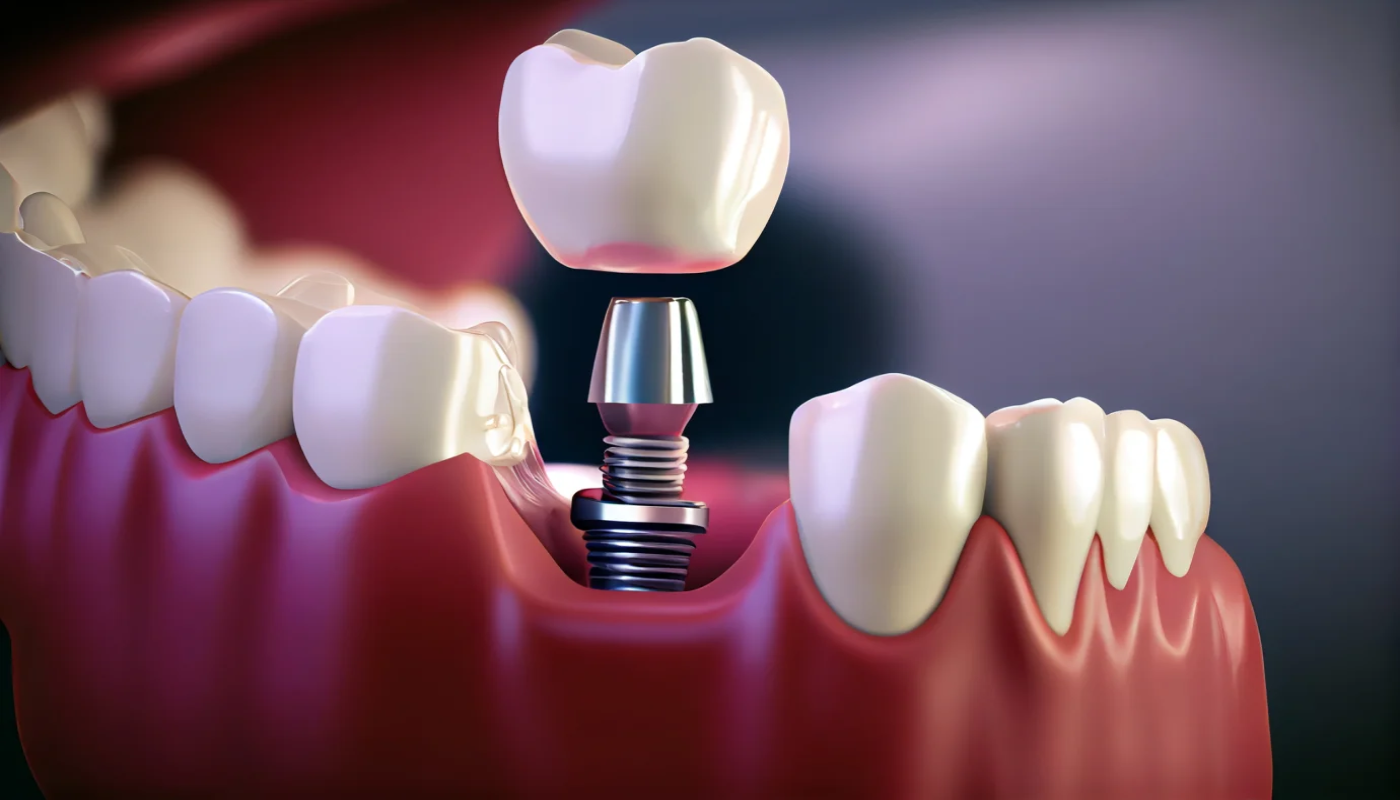
Implant treatment is surgery. Therefore, success depends on planning discipline, not marketing. Because bone biology sets the limits, we start with CBCT diagnostics, then we plan the timeline, and only then we discuss the final teeth. As a result, you get predictable steps instead of rushed promises.
- CBCT-first: we map nerves and evaluate bone density before we place anything.
- Verified components: we confirm implant systems and documentation before surgery.
- Staged healing: we respect osseointegration time, so we reduce avoidable failure.
- Decision control: we protect high-risk cases by delaying or refusing surgery.
What you should check before choosing any clinic
Many clinics look similar online. However, the clinical workflow separates safe outcomes from expensive repairs. Therefore, use this checklist before you commit.
| Safety checkpoint | What you should hear | What you should avoid |
|---|---|---|
| CBCT planning | “We plan surgery using 3D CBCT for nerves and bone.” | “We do not need scans.” |
| Timeline control | “We use 2 visits when needed to protect healing.” | “We finish complex cases in days.” |
| Component verification | “We document the system and verify packaging.” | “Do not worry about brands.” |
| Risk refusal | “We delay surgery if gum or diabetes risk is high.” | “We treat everyone the same day.” |
Clinical material decision matrix (2026)
Materials are not “luxury.” Instead, they are clinical tools. Therefore, we choose them based on bone volume, bite forces, and long-term stability. As a result, we confirm selection during the on-site consultation.
| Material/System | Best fit | Why it matters | Clinical takeaway |
|---|---|---|---|
| Medical-grade titanium implant systems | Single-tooth and full-arch implant treatment | Extensive clinical use and restorative component options | The selected system must match bone anatomy, bite and the planned restoration |
| Straumann® Roxolid® | Selected thin-bone cases | Supports narrower planning | May reduce invasiveness when your anatomy allows it |
| Monolithic Zirconia (final bridge) | Full-arch prosthetics | Strength + aesthetics | Often fits heavy bite forces when designed correctly |
Clinical note: Final selection depends on CBCT findings, gums, bite, and medical history. Therefore, we confirm it clinically.
Real cost comparison (2026): Turkey vs USA / UK / Canada / Australia
Many patients want a number first. However, a number without a protocol misleads. Therefore, we show costs alongside what protects results.
| Region | Typical cost per implant | All-on-4 / All-on-6 (full jaw) | What changes outcomes |
|---|---|---|---|
| Turkey (Istanbul) | €500 – €900+ ~ $540–$980+ / ~ £430–£770+ / ~ C$730–C$1,320+ / ~ A$880–A$1,570+ | €4,500 – €12,000 ~ $4,900–$13,100 / ~ £3,900–£10,400 / ~ C$6,600–C$17,600 / ~ A$7,900–A$21,000 | CBCT planning, staged healing, verified components, gum stability |
| USA | $2,000 – $4,000+ | $15,000 – $30,000+ | Overhead differs; biology still decides success |
| UK | £1,500 – £2,500+ | £12,000 – £25,000+ | Overhead differs; planning still rules outcomes |
| Canada | C$2,500 – C$5,000+ | C$18,000 – C$35,000+ | Fees vary; risk control still matters most |
| Australia | A$3,000 – A$5,500+ | A$25,000+ | Fees higher; staged healing protects outcomes |
Currency disclaimer: Non-EUR amounts are indicative conversions and may change with exchange rates. In addition, final investment depends on CBCT diagnostics, bone volume, gum health, bite forces, implant system, and prosthetic design.
Get clarity in one step
Send your X-ray and a short medical note. Then, we confirm candidacy, number of visits, and the safest protocol. If your case is risky, we will say so.
Before & After: proof matters, so does the protocol
You should not buy implants based on a photo alone. However, a real case can show what staged planning achieves. Therefore, treat this as evidence of workflow, not a promise of identical outcomes.

- Decision control: we reject risky cases instead of forcing a timeline.
- Diagnostics: we use CBCT to reduce surprises.
- Staging: we separate surgery from final teeth when biology requires it.
- Documentation: we confirm systems and plan step-by-step.
Clinical disclaimer: Results vary by bone volume, gum health, bite forces, medical history, and aftercare. We confirm suitability clinically.
Explore Your Full-Arch Treatment Options
For comparison, use these pages to validate your decision: All-on-4 vs All-on-6, All-on-4 and All-on-6 treatment plans, and current dental implant prices.
Next steps by scenario
| Detailed implant guide | What it solves | Read the guide |
|---|---|---|
| Dental Implants in Turkey: Safety Checklist | Risk-checking before you choose a clinic. | Safety checklist |
| Dental Implants Timeline: 2 Visits Explained | Travel planning with biology-first staging. | Timeline: two visits explained |
| Implant Risks & Complications: what we prevent | Clinical risk answers and prevention plan. | Risks and prevention |
| Aftercare for Dental Implants: healing rules | Recovery, hygiene, and follow-up structure. | Healing and aftercare |
| Dental Implants in Turkey for Canadians | Canada-specific records, staged travel, aftercare and local follow-up planning. | Canadian implant planning guide |
When we say “NO” (and why that protects you)
We refuse surgery when the risk outweighs the benefit. Therefore, we may delay or decline implants when we see uncontrolled factors.
- Uncontrolled gum disease (we stabilize gums first)
- Uncontrolled diabetes (we request medical coordination)
- Heavy smoking without willingness to reduce
- Severe bone loss without a staged plan
- Unrealistic timeline demands (biology sets the pace)
This approach is designed for patients prioritising safety, predictability and maintainable long-term results. In other words, the team recommends implant treatment only when the expected clinical benefit justifies the surgical and restorative plan.
Reviewed by IST Smile Experts Clinical Team
The IST Smile Experts Clinical Team reviewed this guide for clinical accuracy, treatment sequencing and patient-safety considerations.
Learn more about IST Smile ExpertsDental Implant FAQs
Procedure, Comfort and Treatment Timing
Will implant surgery hurt?
The dentist uses local anaesthesia during surgery, so you should not feel procedural pain. Temporary soreness, swelling or tenderness can occur afterward. Your medical history and treatment determine the medication and aftercare instructions.
Why can dental implants cost less in Turkey?
Istanbul can offer lower clinic, laboratory and operating costs than many private markets. A lower price does not remove the need for CBCT planning, traceable implant components, a realistic healing period and qualified clinical care.
How many trips do dental implants usually require?
Many implant cases require two visits. The first visit commonly takes about three to five days for surgery and the planned temporary solution. After approximately three to four months of healing, the second visit completes the final crown or fixed bridge. Grafting or complex cases may follow a different schedule.
What is CBCT and why is it important?
CBCT provides a three-dimensional view of bone volume, nerve position, sinus anatomy and the proposed implant site. It supports treatment planning and helps the dentist identify anatomical limitations before surgery.
Candidacy, Planning and Implant Systems
What if I need bone grafting or sinus lifting?
Some patients need grafting or sinus augmentation to create adequate support for implants. The dentist confirms this only after clinical examination and imaging. The added procedure may change the number of visits, healing time and quotation.
Can any clinic guarantee dental implant success?
No. A responsible clinic cannot guarantee biological healing. CBCT planning, suitable case selection, controlled surgery, traceable components, oral hygiene, smoking control and regular maintenance can improve predictability but cannot eliminate every risk.
What should I send for a preliminary implant assessment?
Send five clear dental photographs, a panoramic X-ray or CBCT if available, your age, medical conditions, previous surgeries, current medication, height and weight, and your preferred travel month. The online review remains provisional until the dentist completes the in-clinic examination and required imaging.
Which dental implant brands does IST Smile Experts use?
Available implant systems include Straumann, Nobel Biocare and Medigma. The dentist selects the appropriate system according to anatomy, restorative requirements, clinical indications and the written treatment plan.
Healing, Temporary Teeth and Warranty
Does IST Smile Experts place zirconia implants?
No. IST Smile Experts places established titanium implant systems and does not place zirconia implants. Zirconia may still be considered for the final crown or full-arch prosthesis when clinically appropriate.
How long does dental implant healing usually take?
Many cases require approximately three to four months of healing before the final restoration. Bone grafting, sinus procedures, medical factors, implant stability and the treated jaw can shorten or extend the timeline.
Can I receive temporary teeth during the first visit?
A temporary crown, bridge or provisional full-arch solution may be possible when implant stability, bone condition, bite and the treatment design allow it. Temporary teeth protect appearance and function during healing but do not replace the final restoration.
What does the written implant warranty cover?
IST Smile Experts provides lifetime implant coverage under its written implant warranty terms. Coverage depends on the stated clinical conditions, maintenance requirements and exclusions, and it does not guarantee biological healing or remove the need for routine professional care.
Clinical and Manufacturer References
Trusted Global Partners & Technology



Take one step. Get the truth. Then decide.
Send your X-ray and a short medical note. Then we confirm whether implants fit your biology, and we outline the safest timeline. If implants are not right for you, we will say so.