Planning Your 2026 Trip to Istanbul?
Before you book flights or accommodation, our medical team can review your case and confirm whether zirconia crowns are clinically appropriate, how many visits you will need, and what timeline fits your stay.
For international patients, we coordinate scheduling and clinic logistics aligned with your travel dates.
In 2026, zirconia crowns in Turkey start from €195 per tooth (case-dependent). If your tooth is root canal treated, cracked, heavily filled, or part of a bridge, zirconia can be appropriate. However, if your teeth are healthy and you only want a cosmetic change, crowns are usually not the safest first step. We confirm suitability clinically before any irreversible preparation.
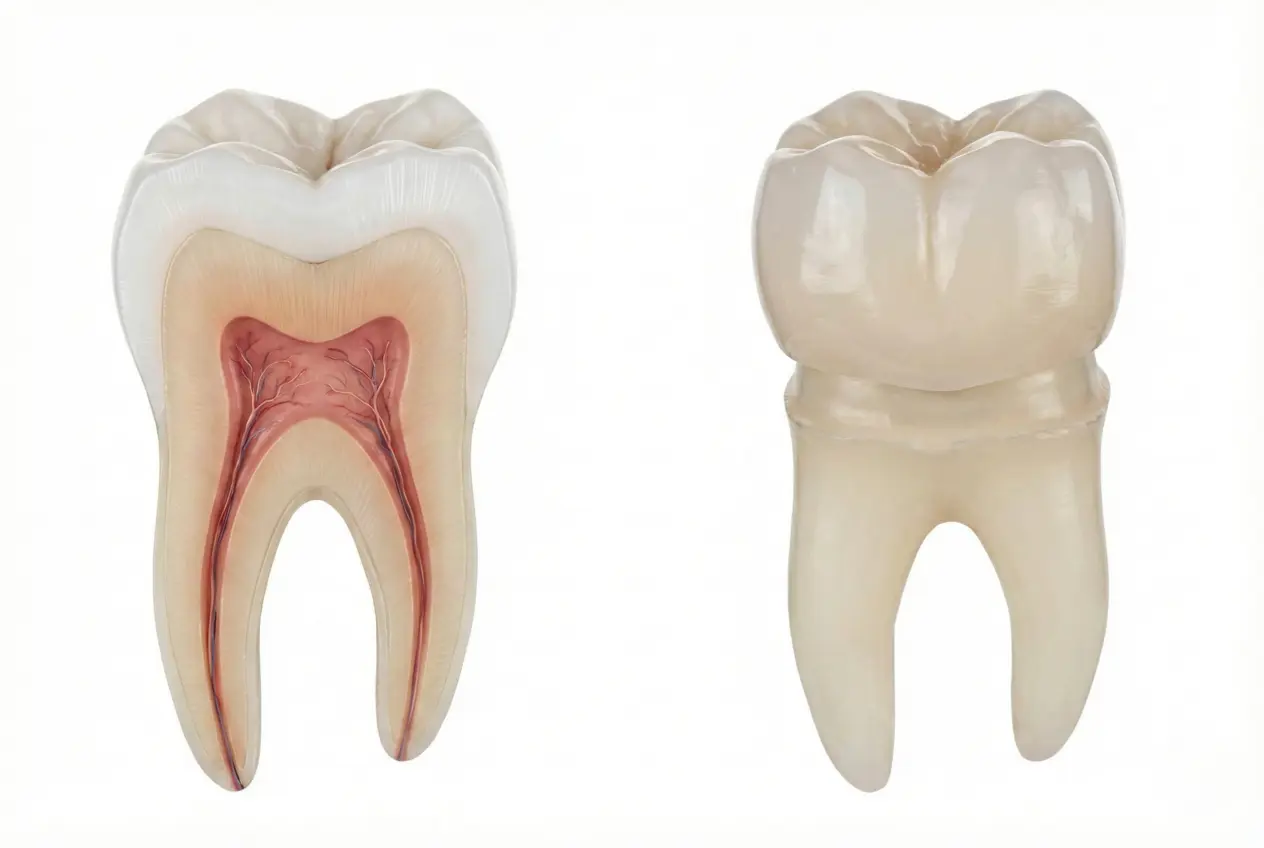
Therefore, crowns usually create unnecessary tooth reduction. Instead, we evaluate conservative options first, such as veneers or whitening, when clinically appropriate.
Yes, zirconia crowns can protect and restore compromised tooth structure when margins, cementation, and bite are controlled.
What zirconia crowns are (and what they are not)
Zirconia is a metal-free ceramic used to restore teeth that have lost strength. In other words, it works best as a protective restoration after damage. However, zirconia is not a cosmetic accessory; a crown requires significant preparation of the natural tooth.
Why dentists choose zirconia
- High fracture resistance for molars and heavy bite forces.
- Biocompatibility as a metal-free option, generally well tolerated by gums.
- Digital fit potential when the clinic uses proper scanning, design, and verification.
When a conservative option is safer
If your enamel is healthy and your goal is aesthetic refinement, a conservative plan often makes more sense. For example, you can compare zirconia with Emax veneers in Turkey. That comparison matters because veneers typically preserve more natural tooth structure.
Real zirconia costs in Turkey (2026)
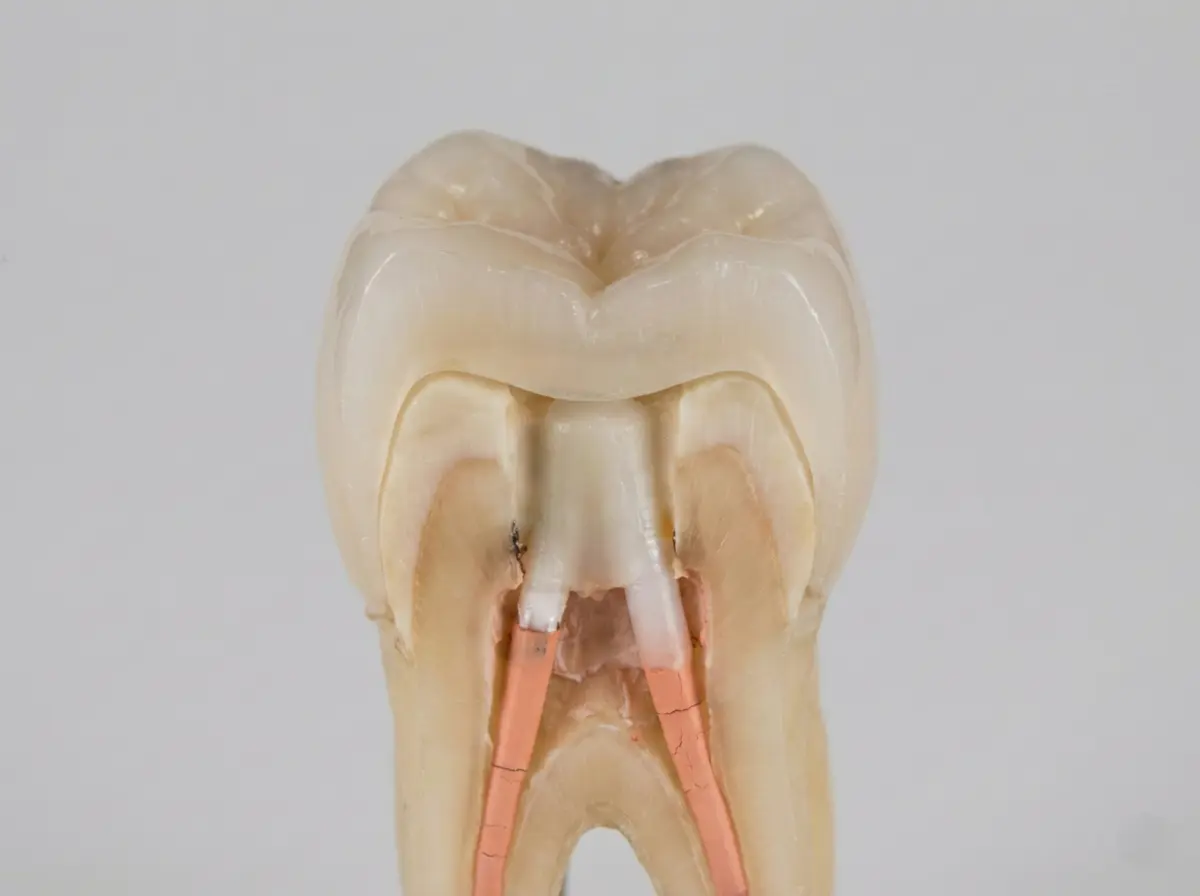
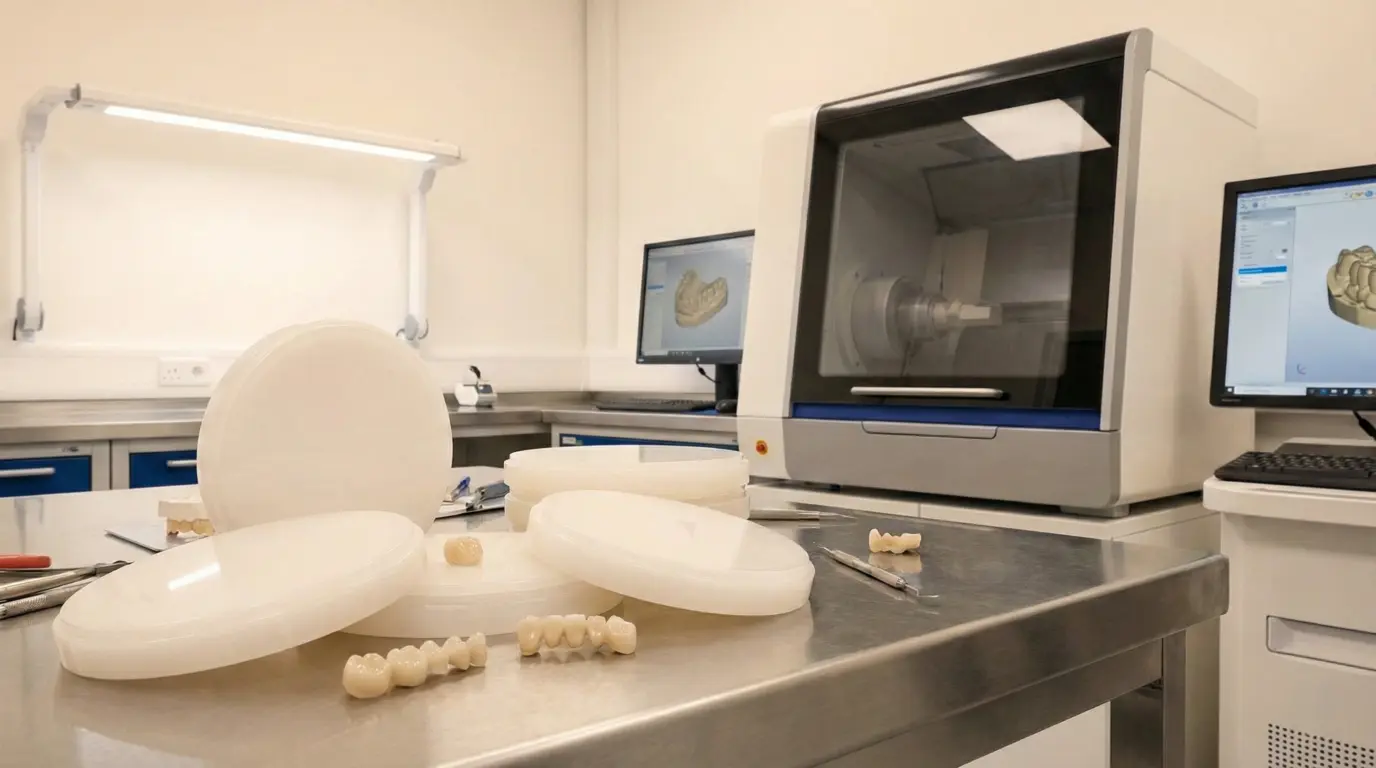
In 2026, zirconia crowns in Turkey start from €195 per tooth. However, the final investment depends on unit count, gum stability, bite control requirements, and the workflow quality (scan → design → milling → cementation). As a result, we confirm the plan clinically before we finalise any irreversible steps.
| Treatment option | Typical abroad range | IST Smile Experts starting point | What changes the final figure |
|---|---|---|---|
| Single zirconia crown Ivoclar Vivadent (Swiss-made) |
€900–€1,500 | From €195 | Diagnosis, bite forces, gum condition, and preparation complexity. |
| Full zirconia smile 20-unit framework |
€18,000–€25,000 | €3,900–€4,500 | Final unit count, occlusion planning, and whether supportive care is required. |
| 3-unit bridge Replace 1 missing tooth |
€2,700–€4,500 | From €585 | Abutment tooth strength, gum support, and bridge design requirements. |
Currency disclaimer: “Typical abroad” ranges vary by clinic, city, exchange rate, and case complexity. Turkey pricing is case-dependent and confirmed after clinical evaluation.
If you want an exact figure, send 3 photos and an X-ray if available. Then, we confirm unit count, suitability, and timeline during your clinical evaluation.
Cost by market (AU / US / UK)
If you are comparing across countries, focus on two things: clinical suitability and workflow control. Then, use the ranges below as a decision framework. Finally, confirm everything clinically before travel.
| Market | Typical local range (single crown) | Turkey starting point | How to interpret this |
|---|---|---|---|
| Australia (AUD) | $1,500+ AUD | From €195 | Ranges vary by city and provider. Confirm suitability first, then compare. |
| United States (USD) | $1,000–$2,500+ USD | From €195 | Complex cases and endodontic work increase costs. Diagnosis drives decisions. |
| United Kingdom (GBP) | £700–£1,200+ GBP | From €195 | Fees vary widely in private care. Use this table to validate your plan. |
Currency disclaimer: market ranges are indicative and change with provider fees, location, and exchange rates. Turkey pricing is case-dependent and confirmed after clinical evaluation in Istanbul.
Zirconia crown timeline (what happens day by day)
Most international cases complete in 3–5 clinic days. However, the exact plan depends on unit count and whether supportive treatment is needed. Therefore, we confirm the sequence after diagnosis and bite assessment.
| Step | What happens | Why it matters |
|---|---|---|
| 1) Diagnosis | Clinical exam + photos + X-ray (CBCT if needed) | Confirms whether crowns are justified or a conservative option is safer. |
| 2) Digital scan | 3D intraoral scanning | Improves contact accuracy and supports margin verification. |
| 3) Preparation | Conservative preparation where possible + bite planning | Protects tooth structure and reduces sensitivity risk. |
| 4) CAD/CAM design | Digital design based on occlusion and aesthetics | Helps control bite and reduces fracture/chipping risk. |
| 5) Milling + finishing | Sintering and polishing/glazing | Surface finish affects comfort, wear, and longevity. |
| 6) Cementation | Isolation + cement protocol + verification | Reduces micro-leakage and debonding risk. |
| 7) Final check | Margins + contacts + bite refinement | Prevents discomfort, cracking, and food trapping. |
Currency disclaimer: timelines vary by case complexity, number of units, and whether supportive treatments are required. Exact sequencing is confirmed after diagnosis.
Zirconia vs Emax vs PFM vs composite (fast comparison)
Material choice should follow diagnosis. For example, zirconia often suits structurally compromised teeth. Meanwhile, veneers can suit cosmetic refinement when enamel is healthy. Therefore, use the table below to validate the direction, then confirm clinically.
| Option | Best for | Strength | Aesthetics | Main limitation |
|---|---|---|---|---|
| Zirconia crown | Root canal teeth, cracked teeth, molars, bridges, bruxism cases | Very high | High (case-dependent) | Requires more tooth reduction than veneers |
| Emax veneers | Cosmetic changes with enamel preservation | Medium-high | Very high | Not ideal for heavy grinders or severely damaged teeth |
| PFM (metal-fused) | Cases prioritising strength with less aesthetic demand | High | Medium | Possible grey gum line and metal-related limitations |
| Composite bonding | Small corrections and conservative cosmetic tweaks | Low-medium | High (short-term) | Stains and chips more easily; shorter lifespan |
Currency disclaimer: suitability varies by enamel health, gum condition, bite forces, and patient goals. Clinical evaluation determines the safest direction.
Why some crowns fail (the uncomfortable truth)
Crowns fail more often because of execution than because of zirconia. For that reason, you should evaluate the workflow. Specifically, confirm margins, cementation standards, and bite control.
Four common failure drivers
- Open margins: leakage can lead to decay under the crown. Therefore, the clinic must verify fit, not assume it.
- Weak cementation protocol: isolation and cement choice influence retention and leakage resistance.
- Over-preparation: aggressive reduction weakens the tooth and increases sensitivity risk.
- Uncontrolled bite: bruxism needs bite management and often a night guard.
If you want to minimise risk, do not choose by price alone. Instead, confirm whether the clinic controls margins, cementation, and occlusion. We confirm these clinically during your on-site consultation.

“Zirconia can deliver long-term stability when the case is right and the workflow is controlled. In practice, margins, cementation, and bite management determine comfort and predictability.”
When we say NO (case rejection)
Some patients request crowns when they are not the safest option. In that situation, we pause or refuse treatment. We do this to protect long-term predictability, not to push a fast plan.
Situations where we pause or refuse
- Uncontrolled gum disease: we stabilise the gums first because inflammation reduces long-term outcomes.
- Uncontrolled diabetes: we require medical clearance and stability to reduce complications.
- Heavy smoking with poor hygiene: we prioritise stabilisation and compliance before irreversible dentistry.
- Cosmetic-only request on healthy teeth: we evaluate conservative options first.
If you are comparing clinics, you may also read: Is dental work in Turkey safe?
Are zirconia crowns safe?
Yes. Zirconia is a biocompatible, metal-free ceramic. However, safety depends on the case and the workflow. Therefore, we evaluate gum health, bite forces, and margin control before treatment.
Three safety checkpoints we verify
- Gum stability: healthy gums support predictable margins and comfort.
- Bite control: we plan occlusion, especially for grinders.
- Cement protocol: isolation and verification reduce micro-leakage risk.
Related clinical reading (optional)
- Zirconium crowns aftercare and longevity
- Digital CAD/CAM workflow: fit and margins
- Zirconia crowns for bruxism: what to watch for
Common questions (FAQ)
If you are choosing between crowns and veneers, we decide based on enamel health, bite, and structural damage. Then, we confirm suitability clinically during your on-site consultation.
How much does a zirconia crown cost in Turkey?
How long do zirconia crowns last?
Do zirconia crowns crack or chip?
Can a tooth decay under a crown?
Are zirconia crowns suitable for bruxism?
Who should avoid zirconia crowns?
How do I start if I am travelling from abroad?
Certified technology partners