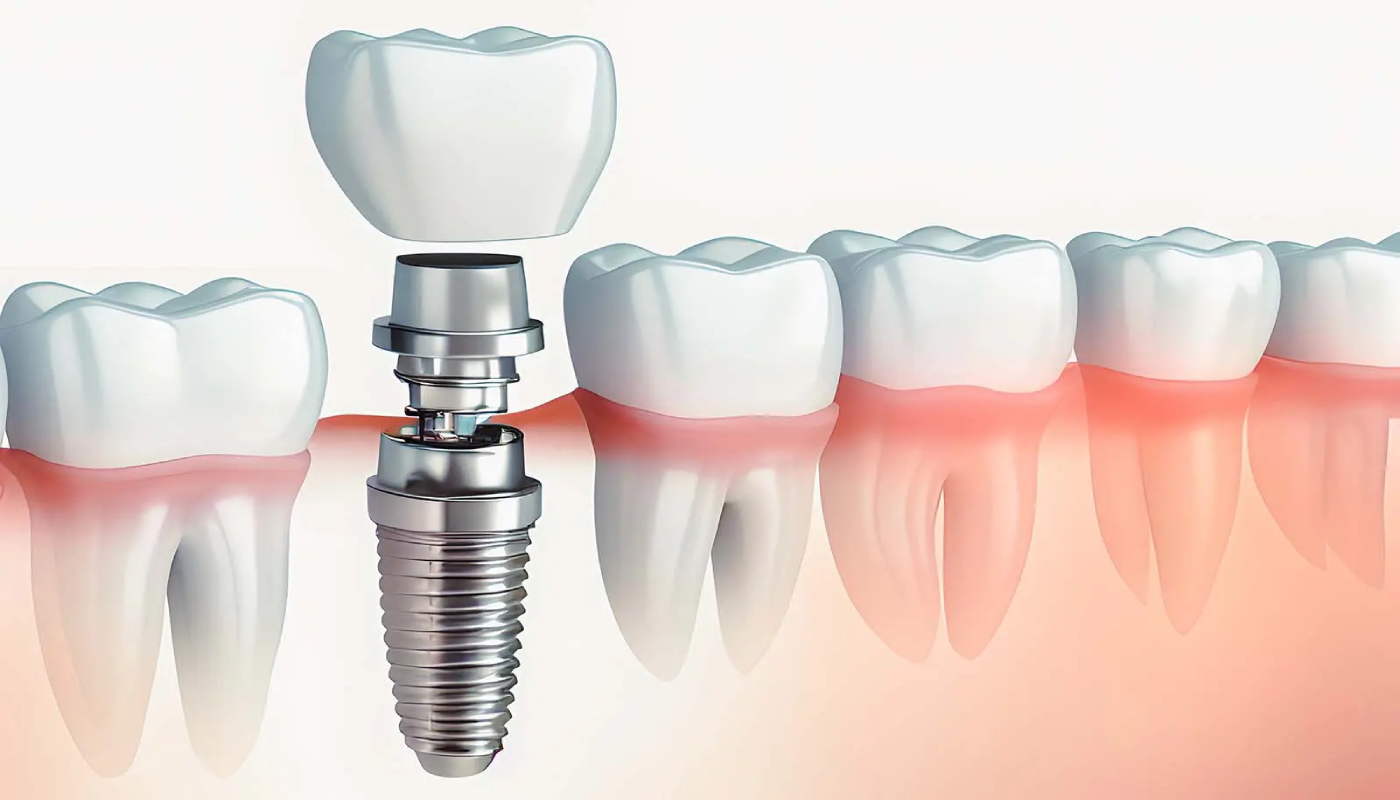
Dental implant pre-operative preparation is the clinical and practical planning completed before implant surgery to reduce avoidable risks and help treatment proceed safely. It includes reviewing medical conditions and medicines, assessing the jaw with appropriate imaging, following personalised eating or fasting instructions, and arranging recovery support. The correct instructions depend on the procedure, the patient’s health and whether local anaesthetic, sedation or general anaesthesia is planned.
Quick answer
Do not stop prescribed medicines or fast based on a general internet checklist. Follow the written plan provided by the treating clinical team and tell them about every medicine, supplement, allergy and health condition before surgery.
Dental implant preparation checklist
Use this checklist to organise the information your clinical team needs. Your individual plan may contain additional instructions.
1. Complete the clinical examination and imaging
A dental implant assessment usually includes an oral examination and imaging. A panoramic radiograph may be sufficient for some situations, while a three-dimensional CBCT scan may be required to evaluate available bone, nearby anatomical structures and implant position. Imaging also helps determine whether procedures such as a sinus lift or bone graft should be discussed.
2. Share your complete medical history
- List diagnosed medical conditions, previous operations and relevant hospital care.
- Report allergies or previous reactions to medicines, latex or anaesthetic drugs.
- Tell the team about heart conditions, bleeding disorders, diabetes, immune conditions, sleep apnoea, pregnancy or possible pregnancy.
- Report recent infections, fever, uncontrolled blood pressure or changes in your general health.
- Provide the contact details of your physician when medical coordination may be needed.
3. Review medicines and supplements
Bring an up-to-date list of prescription medicines, non-prescription medicines, vitamins, herbal products and supplements. Blood thinners, diabetes medicines, steroids and some osteoporosis medicines may affect planning, but they should not be stopped without instructions from the prescribing clinician and implant team. The safest plan is coordinated, not self-directed.
4. Follow the correct eating or fasting instructions
Most patients receiving local anaesthetic alone do not automatically need to fast. A light meal may be appropriate unless the clinical team gives different instructions. Sedation or general anaesthesia requires a specific fasting plan. Follow the written time limits exactly, including instructions for water and routine medicines. If the instructions are unclear, contact the clinic before eating, drinking or taking morning medication.
5. Prepare your mouth without irritating it
Brush gently and clean between the teeth as advised. Do not injure the gums by brushing aggressively on the morning of surgery. Use an antimicrobial rinse only when prescribed. Tell the team about mouth ulcers, swelling, pus, severe tooth pain or another active dental problem before the appointment.
6. Reduce smoking, vaping and alcohol exposure
Nicotine can reduce blood supply to healing tissues and is associated with a higher risk of implant complications. Discuss a realistic stop or reduction plan as early as possible. Avoid alcohol for the period specified by the clinical team, especially when sedation, pain medicine or antibiotics are involved.
7. Plan transport and the first recovery period
If sedation or general anaesthesia is planned, arrange a responsible adult escort and do not drive, operate machinery or make important decisions for the period specified by the anaesthesia team. Prepare soft foods, prescribed medicines and a clean recovery area in advance. Wear comfortable clothing and avoid jewellery or heavy makeup around the treatment area.
Preparing for dental implant treatment in Turkey
International patients should send clear dental records and recent imaging when available, but remote review does not replace an in-person examination. Keep flexibility in the travel schedule for clinical assessment and recovery. Do not book a return flight so tightly that an unexpected scan, adjustment or review cannot be accommodated.
Full-arch implant treatment is normally organised as a two-visit process when clinically appropriate. Visit one may include implant placement and temporary fixed teeth. The final bridge is usually completed after approximately 3 to 6 months of healing and osseointegration. The exact plan depends on bone quality, stability and clinical findings. Read the dental implants in Turkey guide for a broader explanation of candidacy, implant systems and treatment stages.
What to bring on treatment day
- Photo identification and the clinic appointment information.
- Your current medicine and supplement list.
- Relevant medical reports, laboratory results and dental imaging.
- Allergy information and physician contact details when applicable.
- The written anaesthesia, fasting and medication instructions provided for your case.
- An escort when sedation or general anaesthesia is planned.
When should implant surgery be reviewed or postponed?
Contact the clinical team promptly if you develop fever, respiratory illness, a new dental infection, significant swelling, uncontrolled blood sugar or blood pressure, or if a physician changes an important medicine. These findings do not always mean surgery must be cancelled, but they require individual review before treatment proceeds.
Questions to confirm before the procedure
- Which anaesthesia method is planned, and what are my eating and drinking instructions?
- Should I take my normal morning medicines?
- Is bone grafting or sinus lifting expected?
- Which implant system is planned, and will I receive the manufacturer’s authenticity information after placement?
- What transport, escort and recovery arrangements are required?
- Who should I contact if my health changes before the appointment?
Frequently asked questions
Do I need to fast before dental implant surgery?
Fasting depends on the anaesthesia plan. Local anaesthetic alone often does not require fasting, while sedation or general anaesthesia requires specific written instructions. Follow the clinical team’s plan for food, water and medicines.
Should I stop blood thinners before dental implants?
Do not stop anticoagulant or antiplatelet medicine on your own. The implant team and prescribing clinician should assess bleeding and medical risks and give coordinated instructions.
Is a CBCT scan always required?
Not every patient needs the same imaging. A CBCT may be recommended when three-dimensional assessment of bone and nearby anatomy is important for safe planning.
Are antibiotics required before implant surgery?
Antibiotics are not a universal instruction for every patient. Take them only when prescribed for your clinical situation and follow the exact dose and timing.
Can I smoke before or after implant placement?
Smoking and nicotine exposure can impair healing and increase complication risk. Discuss a personalised cessation or reduction plan before surgery and follow the team’s post-operative guidance.
Can I fly immediately after dental implant surgery?
Travel timing depends on the procedure, sedation, swelling and whether sinus or grafting procedures were performed. Leave enough time for review and follow the treating team’s individual advice.
How is full-arch implant treatment scheduled?
When clinically appropriate, visit one includes implant placement and temporary fixed teeth. The final bridge is usually provided after approximately 3 to 6 months of healing and osseointegration during a second visit.
IST Smile Experts Clinical Team reviews each patient’s health information, imaging and treatment goals before confirming a surgical plan. To submit records for a clinical review, request your treatment plan.
This article provides general educational information and does not replace an individual examination, medical advice or instructions from the treating clinician.
