
Planning Your 2026 Trip? ✈️
Get a Free Personalized Treatment Plan today.
🎁 INCLUDES: Free VIP Airport Transfer & Hotel Assistance.
If you want “cheap,” skip this. If you want stability, start here.
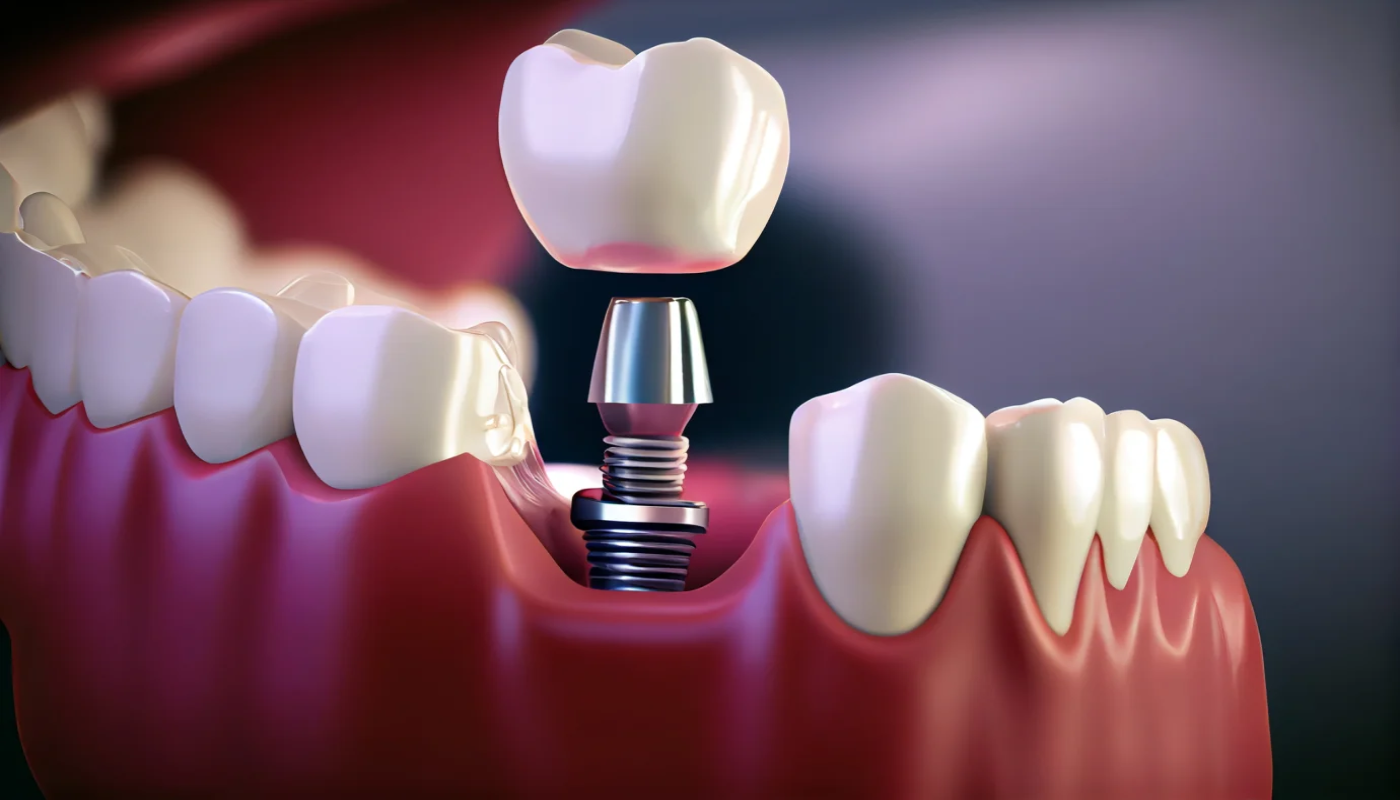
Implant treatment is surgery. Therefore, success depends on planning discipline, not marketing. Because bone biology sets the limits, we start with CBCT diagnostics, then we plan the timeline, and only then we discuss the final teeth. As a result, you get predictable steps instead of rushed promises.
- CBCT-first: we map nerves and evaluate bone density before we place anything.
- Verified components: we confirm implant systems and documentation before surgery.
- Staged healing: we respect osseointegration time, so we reduce avoidable failure.
- Decision control: we protect high-risk cases by delaying or refusing surgery.
What you should check before choosing any clinic
Many clinics look similar online. However, the clinical workflow separates safe outcomes from expensive repairs. Therefore, use this checklist before you commit.
| Safety checkpoint | What you should hear | What you should avoid |
|---|---|---|
| CBCT planning | “We plan surgery using 3D CBCT for nerves and bone.” | “We do not need scans.” |
| Timeline control | “We use 2 visits when needed to protect healing.” | “We finish complex cases in days.” |
| Component verification | “We document the system and verify packaging.” | “Do not worry about brands.” |
| Risk refusal | “We delay surgery if gum or diabetes risk is high.” | “We treat everyone the same day.” |
Clinical material decision matrix (2026)
Materials are not “luxury.” Instead, they are clinical tools. Therefore, we choose them based on bone volume, bite forces, and long-term stability. We confirm selection during the on-site consultation.
| Material/System | Best fit | Why it matters | Clinical takeaway |
|---|---|---|---|
| Titanium Grade 5 (Ti-6Al-4V) | Most implant foundations | Stable mechanical strength | Works best when bone density supports primary stability |
| Straumann® Roxolid® | Selected thin-bone cases | Supports narrower planning | May reduce invasiveness when your anatomy allows it |
| Monolithic Zirconia (final bridge) | Full-arch prosthetics | Strength + aesthetics | Often fits heavy bite forces when designed correctly |
Clinical note: Final selection depends on CBCT findings, gums, bite, and medical history. Therefore, we confirm it clinically.
Real cost comparison (2026): Turkey vs USA / UK / Canada / Australia
Many patients want a number first. However, a number without a protocol misleads. Therefore, we show costs alongside what protects results.
| Region | Typical cost per implant | All-on-4 / All-on-6 (full jaw) | What changes outcomes |
|---|---|---|---|
| Turkey (Istanbul) | €500 – €900+ ~ $540–$980+ / ~ £430–£770+ / ~ C$730–C$1,320+ / ~ A$880–A$1,570+ | €4,500 – €12,000 ~ $4,900–$13,100 / ~ £3,900–£10,400 / ~ C$6,600–C$17,600 / ~ A$7,900–A$21,000 | CBCT planning, staged healing, verified components, gum stability |
| USA | $2,000 – $4,000+ | $15,000 – $30,000+ | Overhead differs; biology still decides success |
| UK | £1,500 – £2,500+ | £12,000 – £25,000+ | Overhead differs; planning still rules outcomes |
| Canada | C$2,500 – C$5,000+ | C$18,000 – C$35,000+ | Fees vary; risk control still matters most |
| Australia | A$3,000 – A$5,500+ | A$25,000+ | Fees higher; staged healing protects outcomes |
Currency disclaimer: Non-EUR amounts are indicative conversions and may change with exchange rates. Final investment depends on CBCT diagnostics, bone volume, gum health, bite forces, implant system, and prosthetic design.
Get clarity in one step
Send your X-ray and a short medical note. Then, we confirm candidacy, number of visits, and the safest protocol. If your case is risky, we will say so.
Before & After: proof matters, so does the protocol
You should not buy implants based on a photo alone. However, a real case can show what staged planning achieves. Therefore, treat this as evidence of workflow, not a promise of identical outcomes.

- Decision control: we reject risky cases instead of forcing a timeline.
- Diagnostics: we use CBCT to reduce surprises.
- Staging: we separate surgery from final teeth when biology requires it.
- Documentation: we confirm systems and plan step-by-step.
Clinical disclaimer: Results vary by bone volume, gum health, bite forces, medical history, and aftercare. We confirm suitability clinically.
Internal decision links (recommended)
Use these pages to validate your decision: All-on-4 vs All-on-6, All-on-4 packages in Turkey, Full mouth dental implants cost.
Next steps by scenario
| Scenario-based cluster (planned) | What it solves | Link placeholder |
|---|---|---|
| Dental Implants in Turkey: Safety Checklist | Risk-checking before you choose a clinic. | Safety Chick list |
| Dental Implants Timeline: 2 Visits Explained | Travel planning with biology-first staging. | Timeline: 2 Visits Explained |
| Implant Risks & Complications: what we prevent | Clinical risk answers and prevention plan. | What we prevent |
| Aftercare for Dental Implants: healing rules | Recovery, hygiene, and follow-up structure. | Healing rules |
When we say “NO” (and why that protects you)
We refuse surgery when the risk outweighs the benefit. Therefore, we may delay or decline implants when we see uncontrolled factors.
- Uncontrolled gum disease (we stabilize gums first)
- Uncontrolled diabetes (we request medical coordination)
- Heavy smoking without willingness to reduce
- Severe bone loss without a staged plan
- Unrealistic timeline demands (biology sets the pace)
This approach is designed for patients prioritizing safety, predictability, and long-term results — not the lowest upfront cost. Therefore, if you only want the cheapest invoice, we will not be the right fit.
FAQ (straight answers)
1) Will implant surgery hurt?
2) Why are implants cheaper in Turkey?
3) How many trips do I need?
4) What is CBCT and why do you require it?
5) What if I need bone grafting or sinus lifting?
6) Can you guarantee implant success?
7) What do you need from me for evaluation?
Trusted Global Partners & Technology



Take one step. Get the truth. Then decide.
Send your X-ray and a short medical note. Then we confirm whether implants fit your biology, and we outline the safest timeline. If implants are not right for you, we will say so.